

Tired all the time? Common causes, what to try, and where iron fits

Short answer. Being tired all the time has many possible causes, including poor sleep, stress, low mood, infections, some medicines, and medical conditions such as anaemia, thyroid problems or sleep apnoea. If you have been tired for more than two weeks and it is not getting better, see your GP. They can look for the cause and may order blood tests.
Last reviewed: 29 October 2026.
Quick answers
- Being tired now and then is normal. Being tired all the time, and not knowing why, is worth checking.
- Common causes: not enough or poor sleep, stress, low mood, a busy schedule, diet, too much caffeine or alcohol, too little exercise, infections, some medicines and a range of medical conditions.
- Low iron is one possible cause among many. A blood test from your GP can check it.
- See a GP if tiredness has lasted more than two weeks and is not improving, or sooner if you have other symptoms.
- Talk to your GP or pharmacist before starting an iron supplement.
Common causes of being tired all the time
| Type of cause | Examples |
|---|---|
| Sleep | Not enough sleep, difficulty getting to sleep or staying asleep (insomnia), sleep apnoea (loud snoring with gasping or choking at night) |
| Lifestyle | A busy schedule, poor diet, lack of exercise, too much caffeine, too much alcohol |
| Mind and mood | Stress, anxiety, depression, grief, burnout |
| Infections | Flu, COVID-19, glandular fever |
| Physical conditions | Anaemia (including from low iron), an underactive thyroid, diabetes, heart or kidney conditions, some autoimmune conditions |
| Hormonal changes | Puberty, pregnancy, menopause |
| Medicines | Some prescription and over-the-counter medicines can cause tiredness. Ask your pharmacist or GP |
Sometimes no cause is found.
Sources: healthdirect, Fatigue; NHS, Tiredness and fatigue; NICE Clinical Knowledge Summaries, Tiredness/fatigue in adults.
"Always tired", "run down", "low energy": the same question in different words
People describe it in many ways: always tired, worn out, run down, flat, low on energy. Doctors treat all of these as the same starting point. They ask how long it has lasted, how you sleep, what your days and diet look like, how you feel in your mood, and what medicines you take. Then they may examine you and arrange blood tests.
Could it be low iron?
It might be, but it might not.
Iron sits at the centre of haemoglobin, the molecule in your red blood cells that carries oxygen around your body. When iron gets low, the body can make less haemoglobin, and tiredness is one of the most common signs. Iron contributes to normal energy-yielding metabolism and to the reduction of tiredness and fatigue.
Other signs that can come with low iron include weakness, pale skin, shortness of breath, dizziness and headaches. See our guide to the common signs of low iron. But these signs also have many other causes. Tiredness alone cannot tell you whether your iron is low. Only a blood test can, and iron tablets will not help tiredness that has another cause.
What other symptoms can point to?
The NHS lists some examples of how a combination of symptoms can point a doctor towards different causes. This is not a way to diagnose yourself.
| If you are tired and also... | A doctor may want to check for |
|---|---|
| Short of breath, with noticeable heartbeats and paler skin | Iron deficiency anaemia |
| Waking at night gasping or choking, and snoring loudly | Sleep apnoea |
| Very thirsty, passing urine more often, losing weight | Diabetes |
| Nervous, irritable, finding it hard to stay still, with muscle weakness | An overactive thyroid |
| Exhausted for at least three months, with memory and concentration problems | Chronic fatigue syndrome (ME/CFS) |
Source: NHS, Tiredness and fatigue.
What to try while you work out the cause
None of these replace seeing your GP if the tiredness continues. They are general steps that health services suggest for tiredness and low energy.
- Keep a regular sleep routine. Same bedtime and wake time, a dark, cool room, and no screens or caffeine late in the day.
- Eat regular meals. Include protein and iron-rich foods such as lean red meat, chicken, fish, legumes and green vegetables, with fruit or vegetables for vitamin C.
- Move most days. Even a walk helps, and lack of exercise is itself a cause of tiredness.
- Cut back on caffeine and alcohol, especially in the afternoon and evening.
- Look after stress and mood. Talking therapies, relaxation and support from friends or a professional can all help.
- Write it down. Note how long you have been tired, when it is worst, your sleep, and any other symptoms. It will make a GP visit more useful.
When to see a doctor
See your GP if you have been tired for more than two weeks and it is not getting better. See them sooner if:
- the tiredness is worrying you or stopping you doing things
- you have other symptoms such as weight loss, mood changes, breathlessness, a fast or thumping heartbeat, or you have been told you snore loudly and gasp at night
Can iron help with tiredness?
Iron is one of the nutrients the body uses for normal energy-yielding metabolism, and it contributes to the reduction of tiredness and fatigue. If low iron is the cause of your tiredness, your doctor will recommend the right way to correct it. If low iron is not the cause, extra iron will not help and too much iron can be harmful. That is why the first step is a blood test and your doctor's advice.
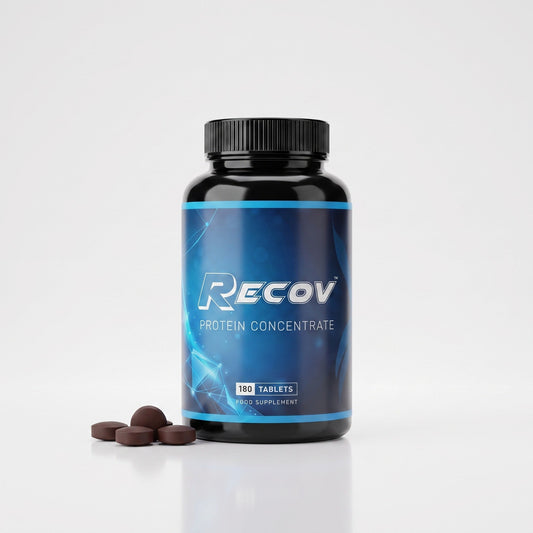
Where Recov fits. Recov is a pre-digested heme iron supplement that also provides protein. Its iron is naturally occurring and organic: heme iron, the form iron takes inside your own blood, carried in the plasma protein rather than added as a synthetic iron salt. Pre-digested means the protein is already broken down into small peptides. Six tablets, the recommended daily amount, provide approximately 56% of the RDI for iron. Recov is not a treatment for low iron, iron deficiency or anaemia, and it is not a substitute for a blood test or for anything your doctor recommends. It is made from porcine (pig) plasma protein, so it is not suitable for vegetarians or vegans.
Learn more about the iron in Recov in our guide to heme, organic and natural iron or our guide to iron supplements. The % RDI on an Australian food label is measured against one reference value for all adults. Your own recommended intake depends on your age, sex and stage of life.
Frequently asked questions
Why am I always tired?
Being tired all the time has many possible causes, including poor sleep, stress, low mood, infections, some medicines, and medical conditions such as anaemia (including from low iron), thyroid problems, diabetes or sleep apnoea. Sometimes no cause is found. If you have been tired for more than two weeks and it is not getting better, see your GP.
What causes tiredness all the time?
Common causes include not enough sleep, a busy schedule, too much caffeine or alcohol, lack of exercise, poor diet, stress, anxiety and depression, and infections. Physical conditions such as anaemia, sleep problems, an underactive thyroid and diabetes can also cause it, as can some medicines.
Can low iron make you tired?
Yes. Tiredness is one of the most common signs of low iron, because iron is needed to make the haemoglobin that carries oxygen in your blood. But tiredness is also a common sign of many other things, so a blood test from your GP is the only way to find out whether iron is the cause.
When should I see a doctor about being tired?
See your doctor if you have been tired for more than two weeks and it is not getting better. See them sooner if the tiredness is worrying you, stops you doing things, or comes with other symptoms such as weight loss, mood changes, breathlessness, a thumping heartbeat, or loud snoring with gasping at night.
What helps with tiredness?
It depends on the cause, which is why a GP check matters. General steps include a regular sleep routine, regular meals that include protein and iron-rich foods, moving your body most days, cutting back on caffeine late in the day and on alcohol, and finding ways to manage stress. Talk to your GP or pharmacist before starting an iron supplement.
Why do I feel run down all the time?
Feeling run down is a common way of describing tiredness and low energy, and it has the same wide range of causes: sleep, stress, a busy schedule, diet, illness and some medical conditions. If it lasts more than two weeks, see your GP.
Does iron help with energy?
Iron contributes to normal energy-yielding metabolism and to the reduction of tiredness and fatigue. That does not mean iron will help every kind of tiredness. If your tiredness has another cause, extra iron will not fix it, and too much iron can be harmful, so talk to your GP or pharmacist before starting an iron supplement.
Is Recov an iron supplement for tiredness?
Recov is a pre-digested heme iron supplement that also provides protein, and six tablets a day provide approximately 56% of the RDI for iron. Iron contributes to the reduction of tiredness and fatigue, but Recov is not a treatment for tiredness, low iron or any condition. If you are tired all the time, see your GP.
Sources
- healthdirect (Australia), Fatigue
- NHS (UK), Tiredness and fatigue
- NICE Clinical Knowledge Summaries, Tiredness/fatigue in adults
- Better Health Channel (Victoria), Iron and iron deficiency
This page is general information. It is not medical advice and does not replace advice from your doctor.

Recover faster
Recov Protein Concentrate
Pre-digested plasma peptides with all 20 amino acids, absorbed in 15–25 minutes. From $2.67 a day.
Shop RecovKeep reading
How to increase iron levels and absorb iron better: food, vitamin C and what to avoid
Short answer. To increase your iron levels, eat iron-rich foods every day and help your body absorb them: heme iron...

Iron supplement for women: how much iron you need and what to know first
Short answer. Women aged 19 to 50 need 18 mg of iron a day, more than twice the 8 mg...

Iron supplements in Australia: side effects, natural options and how to choose
Short answer. There is no single best iron supplement: the right one depends on your blood test results, how you...