
Iron deficiency symptoms: the common signs of low iron (and what to do)

Short answer. The most common signs of low iron are tiredness, weakness, pale skin, shortness of breath and dizziness. Headaches, cold hands and feet, brittle nails and restless legs can also occur. All of these have many other causes, so the only way to know is a blood test from your GP. Please do not guess or treat yourself.
Last reviewed: 29 October 2026.
Quick answers
- Most common sign: tiredness or lack of energy.
- Other common signs: weakness, pale skin, shortness of breath, dizziness or light-headedness, headaches, a fast or noticeable heartbeat.
- Less common signs: cold hands and feet, brittle or spoon-shaped nails, hair loss, a sore tongue, restless legs, cravings for ice or other non-food items.
- Early low iron often has no symptoms at all.
- How to find out: see your GP for a blood test.
- Don't self-diagnose: talk to your GP or pharmacist before starting any iron supplement. Too much iron can be harmful, and iron supplements will not help signs that have another cause.
What happens as iron gets low
Most of your body's iron is in the haemoglobin of your red blood cells, which carry oxygen around your body. Extra iron is stored, mainly in your liver. If you do not get enough iron, your stores fall over time, in three stages:
| Stage | What is happening | What you might notice |
|---|---|---|
| 1. Iron depletion | Haemoglobin is normal, but stored iron is low and will soon run out | Usually no obvious symptoms |
| 2. Iron deficiency | Stored and circulating iron are low and haemoglobin has dropped below normal | You may feel tired |
| 3. Iron deficiency anaemia | Haemoglobin is so low that your blood cannot deliver enough oxygen to your cells | Looking very pale, breathlessness, dizziness and fatigue; reduced immune function in some people |
Source: Better Health Channel (Victoria).
Common signs of low iron
| Sign | What you might notice | Other common causes, which is why a blood test matters |
|---|---|---|
| Tiredness, weakness | Low energy, feeling drained even after rest | Poor sleep, stress, low mood, infections, thyroid problems, sleep apnoea, some medicines and many other conditions |
| Pale skin | Skin that looks paler than usual | Differences in natural skin tone, other types of anaemia and other conditions |
| Shortness of breath | Getting puffed on stairs or when walking | Fitness levels, lung and heart conditions, other kinds of anaemia |
| Dizziness or light-headedness | Feeling faint, especially when standing up | Low blood pressure, dehydration, some medicines |
| Headaches | More frequent or more intense headaches | Stress, dehydration, poor sleep and many other causes |
| Fast or noticeable heartbeat | Feeling your heart racing or thumping | Caffeine, anxiety, heart conditions. Tell your GP promptly |
| Cold hands and feet | Feeling the cold more than usual | Circulation problems, cold weather, other conditions |
| Brittle or spoon-shaped nails, hair loss | Nails that break easily or curve upwards; more hair coming out | Ageing, nail injury, thyroid conditions, stress, other nutrient shortfalls |
| Restless legs | An urge to move your legs, often in the evening or at night | Other conditions and some medicines |
| Sore or smooth tongue, sores at the corners of the mouth | Soreness or cracks | Other nutrient shortfalls and infections |
| Poor concentration | Finding it hard to focus | Poor sleep, stress and many other causes |
| Unusual cravings | Wanting to eat ice, clay or other non-food items | See your GP. This can have several causes |
Sources: Better Health Channel (Victoria); NHS, Iron deficiency anaemia; Mayo Clinic, Iron deficiency anemia; American Society of Hematology.
Get urgent medical help if you have
Chest pain, fainting, severe shortness of breath, or a very fast or irregular heartbeat. In Australia, call 000.
Who is more at risk of low iron?
According to the Better Health Channel, groups at higher risk include:
- menstruating women, especially those with heavy periods, and women using an IUD
- pregnant and breastfeeding women
- teenage girls
- people who follow a vegetarian or vegan diet
- athletes in training
- regular blood donors
- people with a poor diet, including fad diets or eating disorders
- people with conditions that cause bleeding, such as stomach ulcers
- people with conditions that affect how well they absorb iron, such as coeliac disease
- people with some chronic diseases
- people who regularly take aspirin
- Aboriginal Australians
How much iron do adults need? The Australian recommended dietary intake (RDI) is 8 mg a day for men and for women over 50, 18 mg a day for women aged 19 to 50, and 27 mg a day during pregnancy. The women's figure is higher because of the iron lost through periods. People who eat no animal foods may need about 80% more, because non-heme iron is absorbed less readily.
Source: NHMRC and Australian Government Department of Health, Nutrient Reference Values (Eat for Health).
Signs of iron deficiency in women
Women aged 19 to 50 are more likely to have low iron than men, mainly because of blood lost through periods. If you have heavy periods and you are tired, breathless, dizzy or pale, tell your GP about both. Pregnancy and breastfeeding also raise iron needs.
Signs of low iron in athletes
Hard training raises the demand on your body, and athletes in training are listed among the groups at higher risk. Feeling more tired or breathless than usual for the same training can be one sign, but it can also be poor sleep, not eating enough, or overtraining. If it lasts, see your GP or a sports doctor and ask whether an iron blood test makes sense for you.
What to do if you think your iron might be low
- See your GP. Tell them your symptoms, your periods if relevant, your diet and any medicines. They can arrange blood tests, which may include a check of your haemoglobin and iron stores (ferritin).
- Do not diagnose yourself. Tiredness, paleness, dizziness and breathlessness are symptoms of many other conditions, some of them serious, so waiting or guessing can delay the right treatment.
- Talk to your GP or pharmacist before starting any iron supplement. Taking iron you do not need can interfere with how you absorb other minerals such as zinc and copper, and too much iron can be harmful. Iron supplements will not help signs that have another cause.
- Follow your doctor's plan. If your iron is low, your doctor will tell you the best way to correct it. Food alone is not always enough.
- Eat a varied diet with iron-rich foods (see below), and recheck with your GP if signs continue.
Food sources of iron and how to absorb them better
There are two kinds of iron in food:
- Heme iron is found in animal foods such as beef, lamb, kangaroo, chicken and fish. Liver and kidney are particularly rich (pregnant women should limit offal because of its vitamin A content). Heme iron is generally absorbed more readily.
- Non-heme iron is found in legumes (beans and lentils), nuts, seeds, green vegetables, wholegrains, dried fruit and fortified breads and cereals.
To absorb more iron from a meal:
- Add vitamin C (fruit and vegetables) to meals that contain plant sources of iron.
- Eat plant sources of iron with some meat, if you eat meat (for example, beef and kidney beans in a chilli).
- Cook vegetables where possible. Cooking increases how much non-heme iron is available from many vegetables.
- Have tea, coffee and wine between meals rather than with them, because they reduce iron absorption. Waiting an hour or two after a meal is a common suggestion.
- Know that wholegrains (phytates), soy protein and calcium can also reduce how much non-heme iron you absorb.
More detail: how to increase iron levels and absorb iron.
What iron does in the body
Iron sits at the centre of haemoglobin, the molecule that carries oxygen in your blood. Iron contributes to normal energy-yielding metabolism, to the normal function of the immune system and to the reduction of tiredness and fatigue. That is why low iron can leave people feeling tired, and also why tiredness alone cannot tell you the cause. Read more in tired all the time: common causes and where iron fits.
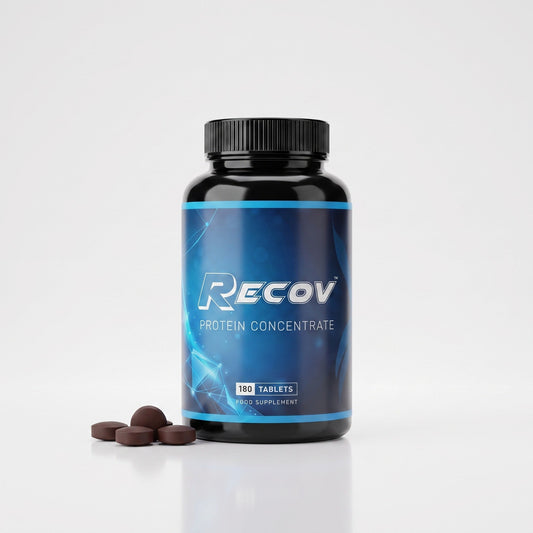
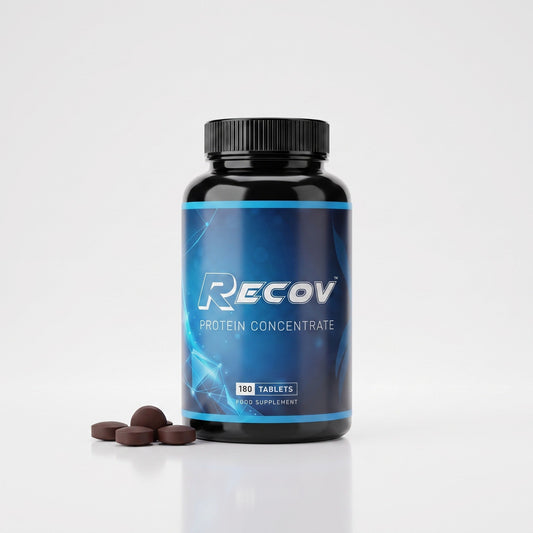
Where Recov fits. Recov is a pre-digested heme iron supplement that also provides protein. Its iron is naturally occurring and organic: heme iron, the form iron takes inside your own blood, carried in the plasma protein rather than added as a synthetic iron salt. Pre-digested means the protein is already broken down into small peptides. Six tablets, the recommended daily amount, provide approximately 56% of the RDI for iron. Recov is not a treatment for low iron, iron deficiency or anaemia, and it is not a substitute for a blood test or for anything your doctor recommends. It is made from porcine (pig) plasma protein, so it is not suitable for vegetarians or vegans.
If you want to know more about the iron in Recov, see our guide to heme, organic and natural iron, or our guide to iron supplements. The % RDI on an Australian food label is measured against one reference value for all adults. Your own recommended intake depends on your age, sex and stage of life.
Frequently asked questions
What are the first signs of low iron?
In the earliest stage of low iron there may be no obvious signs. When signs do appear, the most common is tiredness, followed by weakness, pale skin, shortness of breath and dizziness as iron gets lower. These signs have many other causes, so a blood test from your GP is the only way to know.
What are the symptoms of low iron in women?
They are the same as in anyone: tiredness, weakness, pale skin, shortness of breath, dizziness and headaches, among others. Women aged 19 to 50 have a higher recommended iron intake than men (18 mg a day compared with 8 mg a day), because iron is lost through periods. Heavy periods, pregnancy and breastfeeding raise the chance of low iron. If you have heavy periods and any of these signs, see your GP.
What are the signs of low iron in athletes and runners?
Athletes in training are among the groups at higher risk of low iron. Feeling more tired or more breathless than usual for the same training can be a sign, but it can also come from poor sleep, not eating enough or overtraining. See your GP or a sports doctor and ask whether an iron blood test is right for you.
How do I know if I am low in iron?
Only a blood test can tell you. Your GP can arrange tests, which may include a check of your haemoglobin and of your iron stores (ferritin), and explain what the results mean. Please do not guess: ask your GP.
Can you have low iron without being anaemic?
Yes. Iron levels fall in stages. In the first stage, iron stores are low but haemoglobin is still normal, and there are usually no obvious symptoms. In the second, iron deficiency, stored and circulating iron are low and you may feel tired. In the third, iron deficiency anaemia, haemoglobin has dropped below normal and symptoms such as looking very pale, breathlessness, dizziness and fatigue are more likely.
Can low iron cause headaches, cold hands and feet, or restless legs?
Headaches, cold hands and feet and restless legs syndrome are listed among the signs that can come with iron deficiency anaemia. They are less common than tiredness and have many other causes, so they are a reason to see your GP, not a way to diagnose yourself.
Can low iron cause brittle nails or hair loss?
Brittle or spoon-shaped nails and hair loss are listed as less common signs of iron deficiency anaemia. Both have many other causes. If you notice them along with tiredness or other signs on this page, mention it to your GP.
What foods contain iron?
Heme iron, which is generally absorbed more readily, is found in beef, lamb, kangaroo, chicken and fish. Non-heme iron is found in legumes, nuts, seeds, green vegetables, wholegrains and fortified breads and cereals. Vitamin C with a meal helps you absorb non-heme iron, and tea, coffee and wine can reduce it. If your GP finds your iron is low, follow their plan, which may include more than food.
Is Recov an iron supplement, and can it treat low iron?
Recov is a pre-digested heme iron supplement that also provides protein, and six tablets a day provide approximately 56% of the RDI for iron. It is not a treatment for low iron, iron deficiency or anaemia, and it is not a substitute for a blood test. If you have symptoms, see your GP.
Sources
- Better Health Channel (Victoria), Iron and iron deficiency
- NHS (UK), Iron deficiency anaemia
- Mayo Clinic, Iron deficiency anemia: symptoms and causes
- American Society of Hematology, Iron-deficiency anemia
- NHMRC and Australian Government Department of Health, Nutrient Reference Values for Australia and New Zealand: Iron (Eat for Health)
- NIH Office of Dietary Supplements, Iron: Health Professional Fact Sheet
This page is general information. It is not medical advice, it cannot diagnose anything, and it does not replace advice from your doctor.

Recover faster
Recov Protein Concentrate
Pre-digested plasma peptides with all 20 amino acids, absorbed in 15–25 minutes. From $2.67 a day.
Shop RecovKeep reading
How to increase iron levels and absorb iron better: food, vitamin C and what to avoid
Short answer. To increase your iron levels, eat iron-rich foods every day and help your body absorb them: heme iron...

Iron supplement for women: how much iron you need and what to know first
Short answer. Women aged 19 to 50 need 18 mg of iron a day, more than twice the 8 mg...
Tired all the time? Common causes, what to try, and where iron fits
Short answer. Being tired all the time has many possible causes, including poor sleep, stress, low mood, infections, some medicines,...